
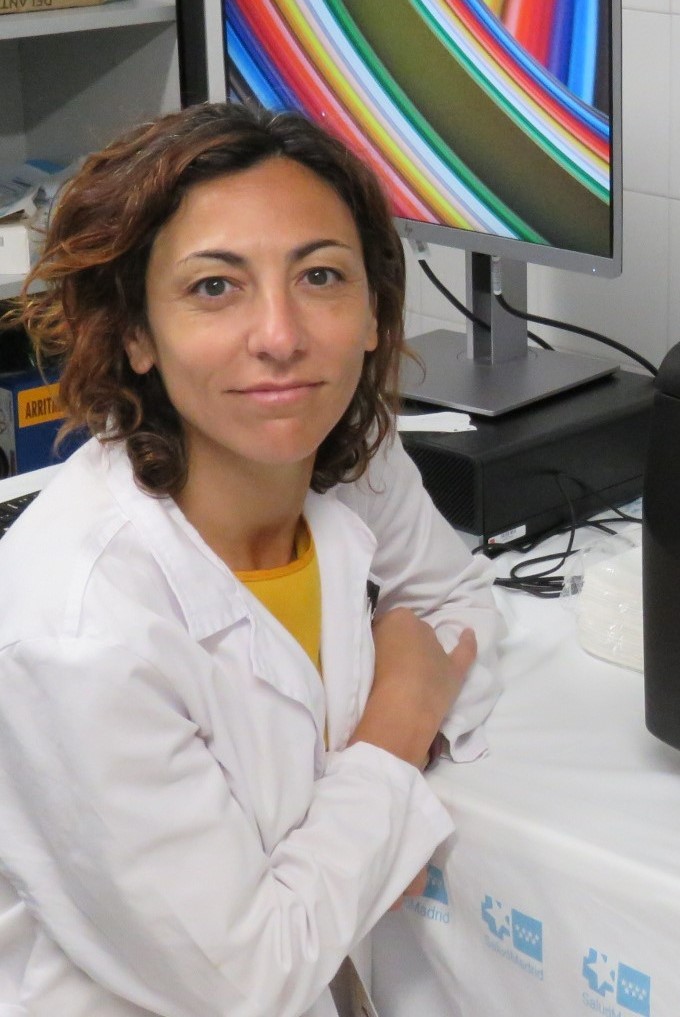
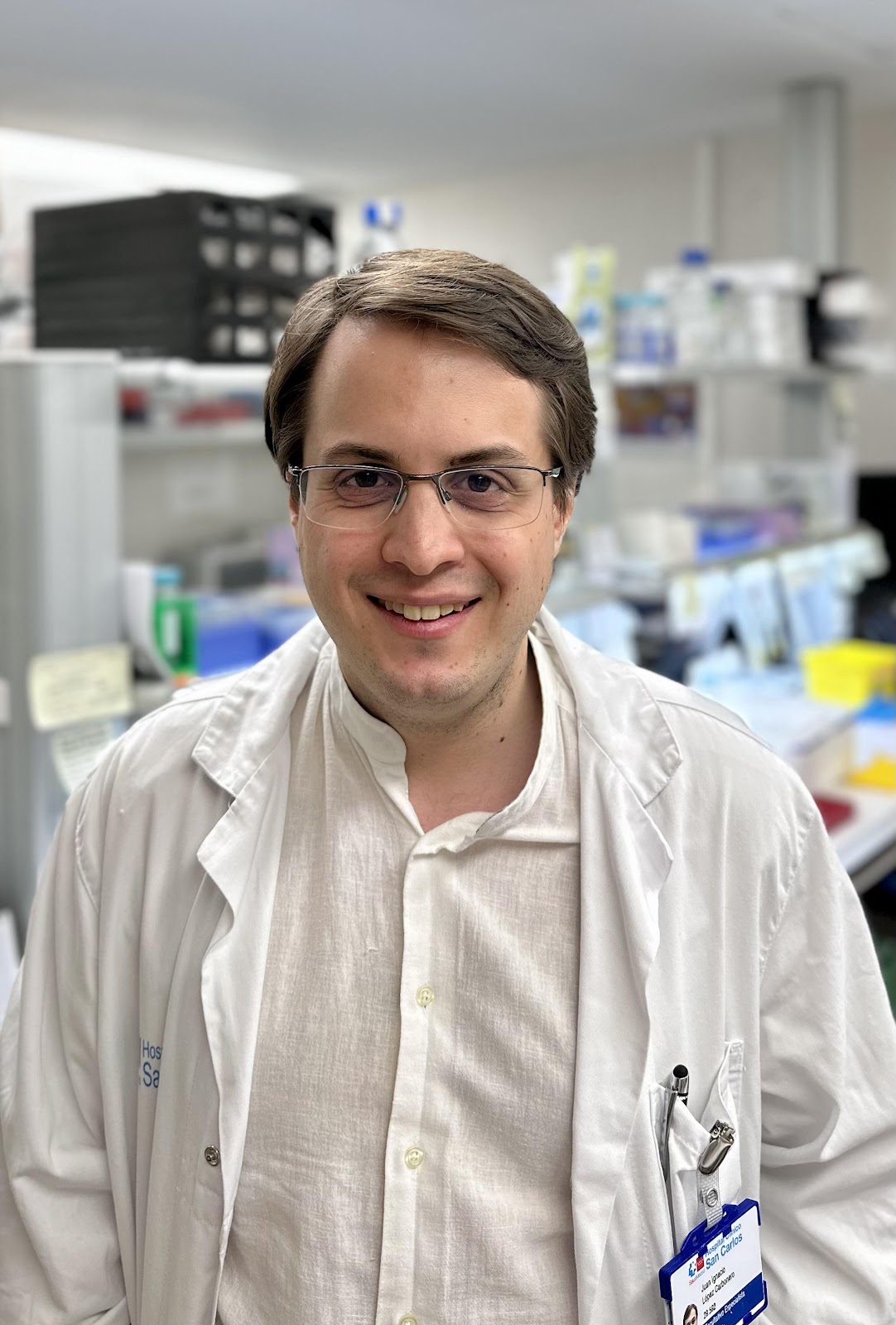
I am a Principal Investigator scientist leading a translational research group at the Hospital Clínico San Carlos (IdISSC), in Madrid (Spain). I am a Biologist and obtained my Ph.D. in Molecular Biology (2006, University Complutense Madrid, CIB-CSIC) and then moved to the UK to do postdoctoral work at the mouse genetics centre MRC Harwell Institute (Oxfordshire, UK). I have returned to Madrid after 12 years abroad to my current position as a Group leader in 2019.
My scientific career has been centred on the understanding of pathological mechanisms of neurodegenerative disorders, with the final aim of identify ways to tackle, cure or prevent them. My current research focus is to identify key metabolic pathways that contribute (risk) in the aetiology of the complex disorders Amyotrophic Lateral Sclerosis (ALS) and Fronto-temporal Dementia (FTD). We study the causal relation of metabolism and genetics in these aged-related neurodegenerative disorders, combining basic -translational research, using mouse models of diseases, with clinical research, in patients suffering from ALS and Dementia.
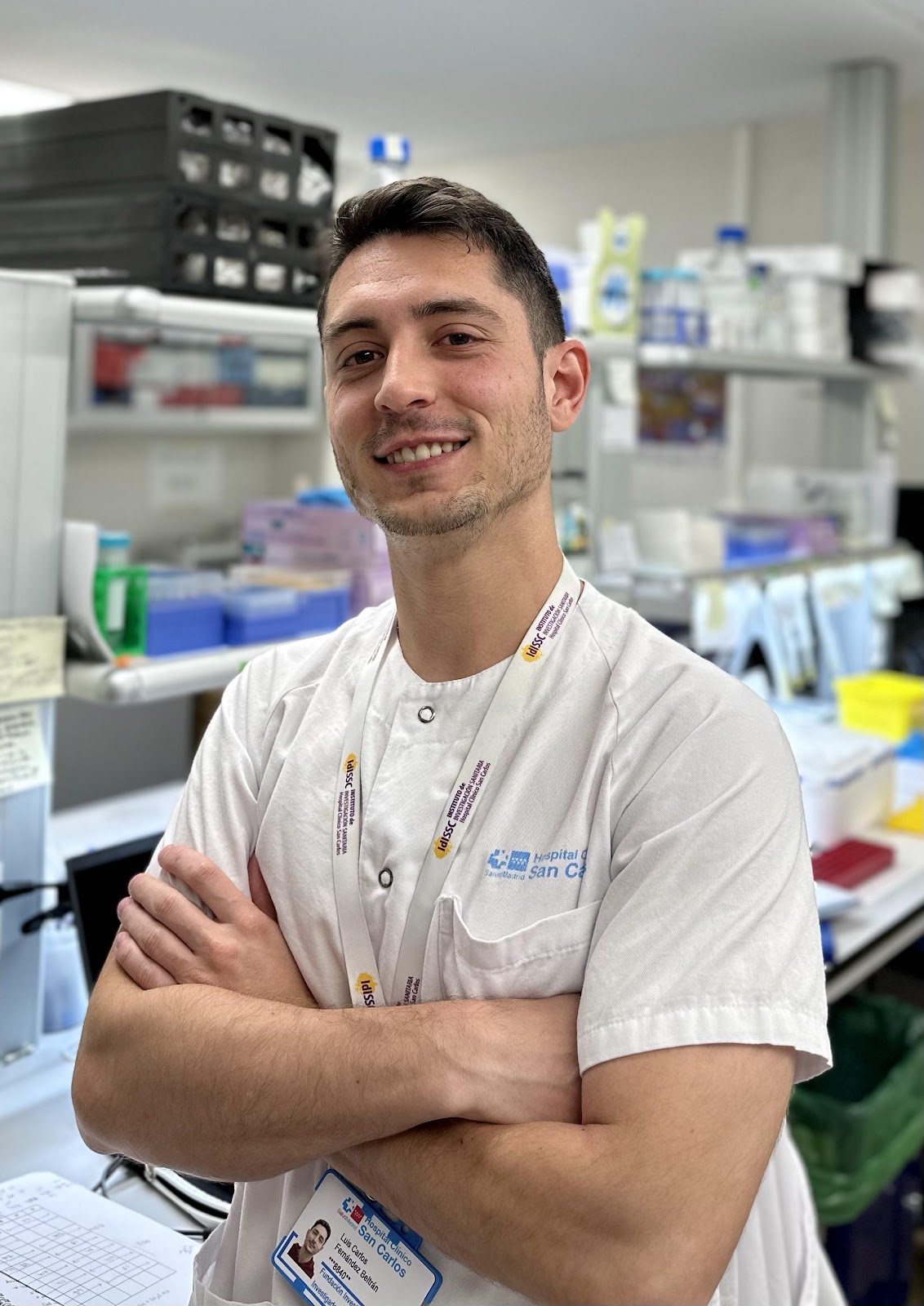
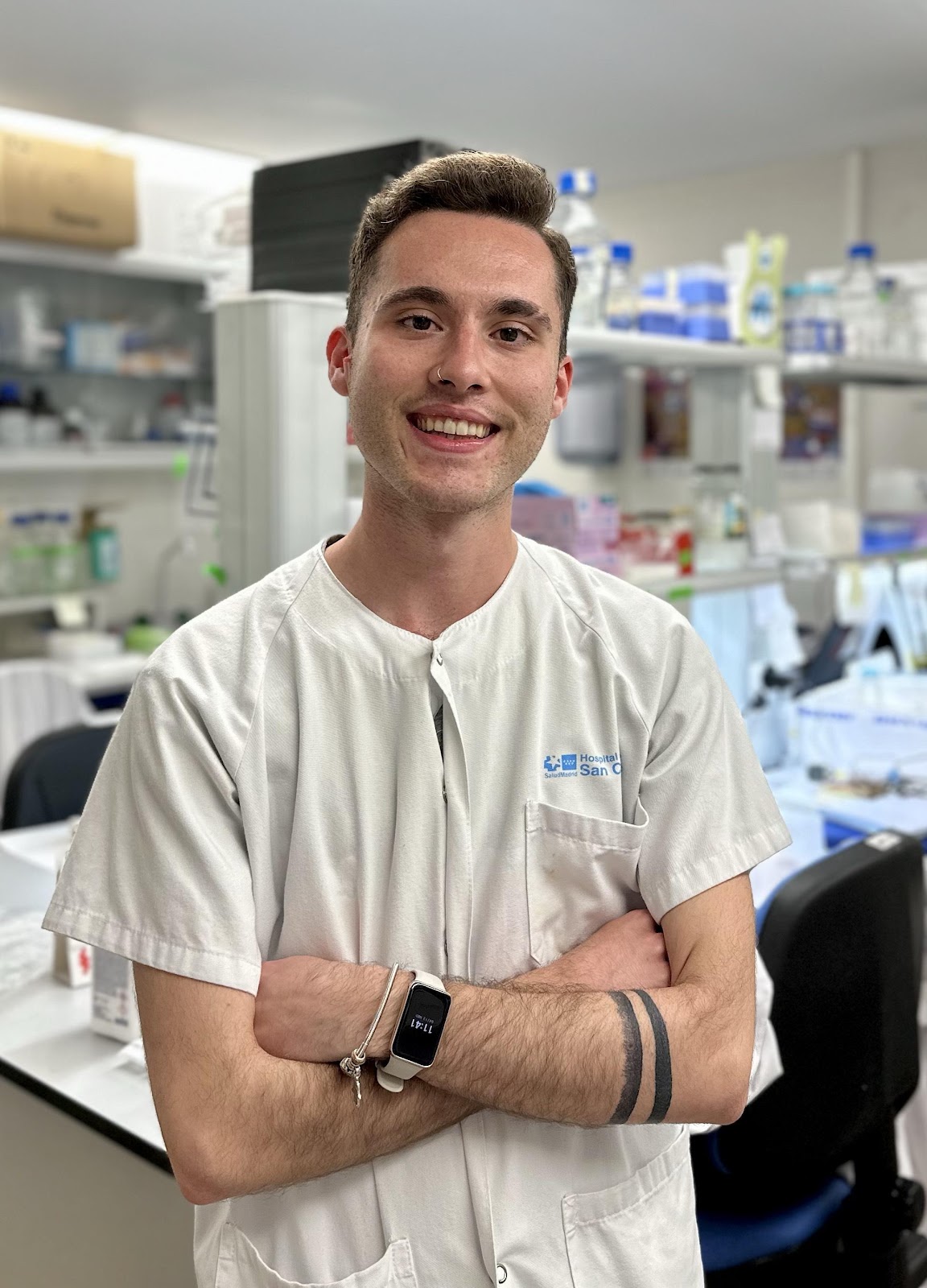
Luis studied a degree in Biochemistry in the University of Seville (2017) and a Master’s in Neuroscience at the Autonomous University of Madrid (UAM, 2017-19). He obtained his PhD in Biomedical Research (UCM, 2025), where his work explored how alterations in lipid metabolism, particularly cholesterol, contribute to the pre-symptomatic and early stages of ALS. Now, as postdoctoral researcher, he is focused on applying long-read sequencing technologies to uncover novel genetic factors in ALS. His work involves optimizing bioinformatics tools for variant calling to detect SNPs, SVs, CNVs, repeat expansions, and to perform epigenetic analyses. Outside the lab, Luis enjoys playing sports, watching true crime series, listening to music ranging from Linkin Park to Bad Bunny, and discovering new food spots.
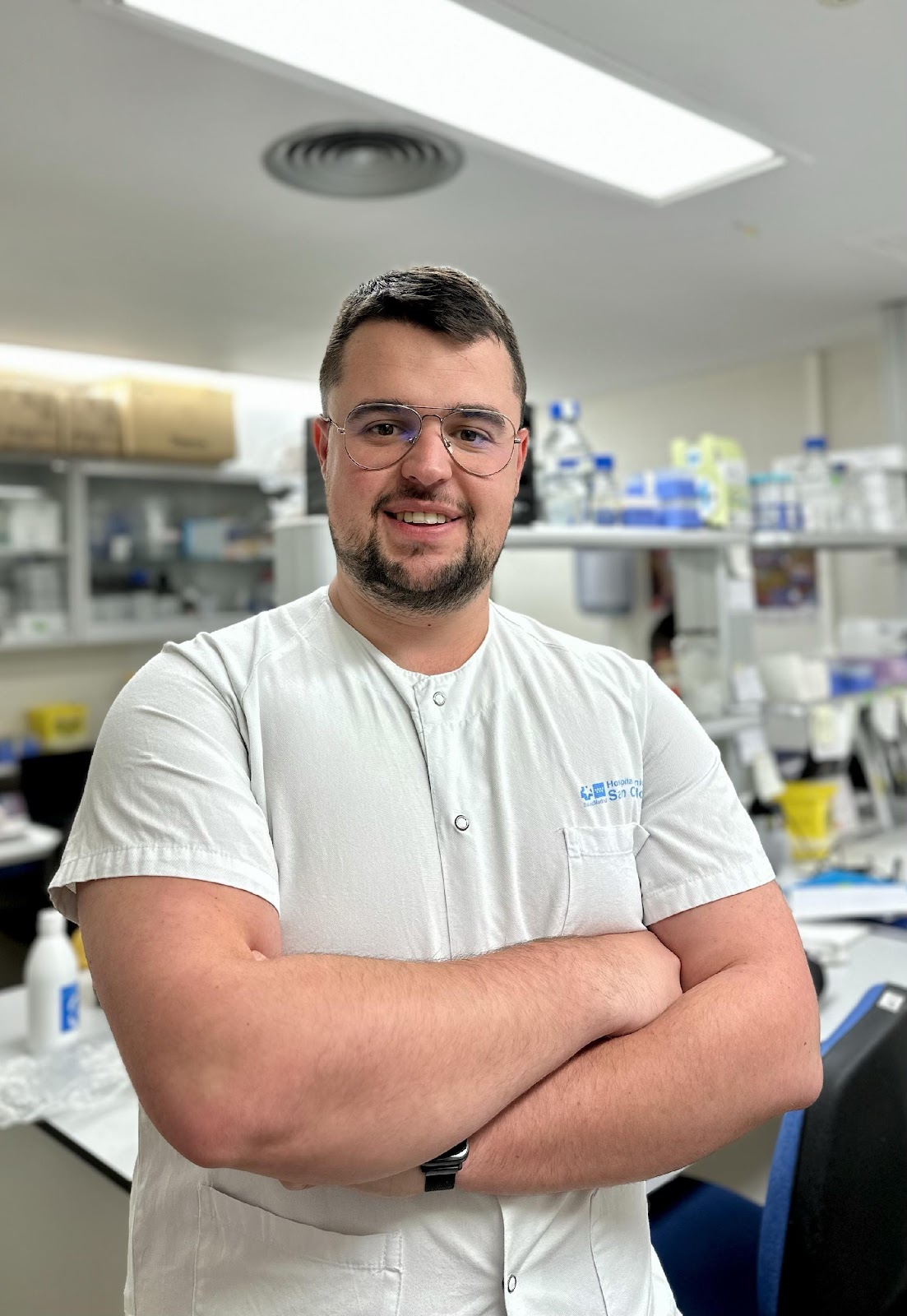
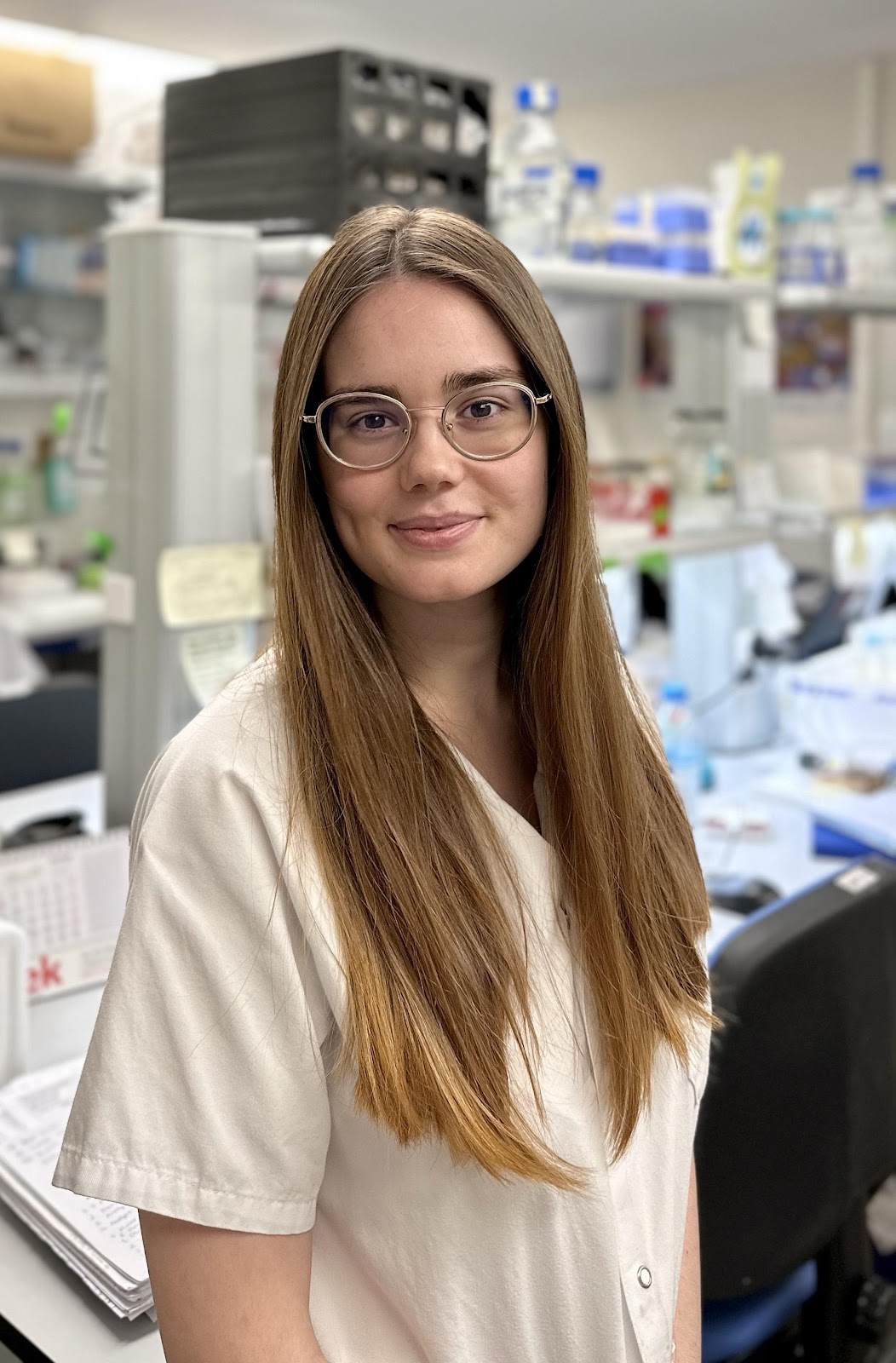

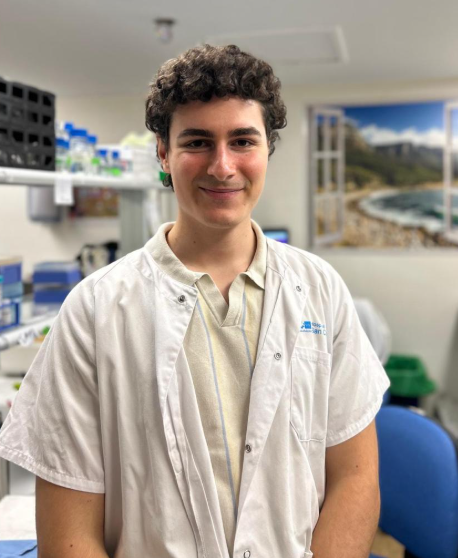
Jorge is currently pursuing his PhD in Computer Engineering at UCM, focusing on the intersection of AI applied to omics data obtained through long-read sequencing (Oxford Nanopore Technologies) and graph-based modeling, among other complementary methodologies. His research aims to develop robust and reproducible systems that support decision-making in biomedicine.
He holds a degree in Biotechnology from UFV (2020–2024) and a Master’s in Computational Biology from UPM (2024–2025). For his Master’s thesis, he optimized the preparation of gDNA libraries for sequencing with Oxford Nanopore and designed and automated a bioinformatics pipeline for genomic variant analysis.
Beyond academia, Jorge enjoys learning languages, exploring music, and being chronically online.
